How Hotels Can Protect Their
Property From Bed Bugs
Bed bugs are one of the most challenging pests a hotel can encounter.
Because they can hitchhike on luggage, clothing, and personal belongings, even
a clean and well-maintained hotel can experience an introduction. The key is
not simply reacting to an infestation—it is creating a consistent prevention,
detection, and response program.
1. Train Housekeeping Staff to Spot
the Signs
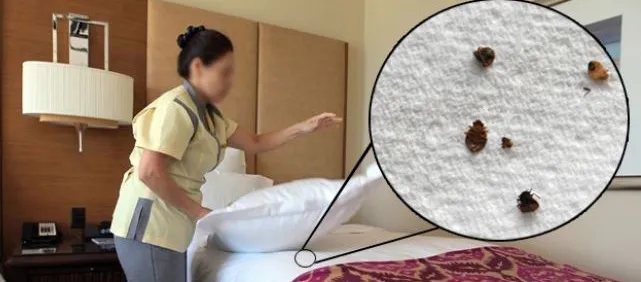
Housekeeping staff are often the first people who can detect a potential
problem. Employees should know how to recognize live bed bugs as well as common
signs such as dark fecal spots, shed skins, eggs, and blood spots on bedding.
Training should include how to inspect mattresses, box springs, bed
frames, headboards, nightstands, upholstered furniture, and other cracks and
crevices where bed bugs may hide.
Regular refresher
training is also important so employees remain confident about what to look for
and understand exactly who to notify when they find suspicious evidence.
An online Bed Bug course is part of WebFire Training’s hotel platform.
2. Make Room Inspections Part of the
Routine
A proactive inspection program can help hotels identify problems before
they spread.
Housekeeping and maintenance teams should pay particular attention to:
Mattress seams, piping, and
corners
Box springs and bed frames
Behind and around headboards
Nightstands and drawers
Upholstered chairs and sofas
Baseboards and wall cracks
Luggage racks
Areas around pictures and other
wall-mounted items
Inspections should be more thorough whenever staff receive a complaint or
find evidence of bed bugs.
3. Keep Rooms Clean and Reduce Hiding
Places
Cleanliness alone does not prevent bed bugs, but reducing clutter and
potential hiding places can make inspections and treatment much easier.
Hotels should repair cracks and crevices, address damaged furniture, keep
storage areas organized, and avoid unnecessary clutter around beds and other
resting areas. Regular vacuuming can also help remove bed bugs from accessible
areas.
4. Consider Bed Bug-Proof Mattress
Encasements
Specially designed mattress and box-spring encasements can provide an
additional layer of protection. They reduce the number of places where bed bugs
can establish hidden harborages and can also help contain bugs inside an
infested mattress.
Hotels should select durable products specifically designed for bed bug
protection and regularly inspect them for tears or other damage.
5. Handle Bedding and Laundry
Carefully
Laundering bedding is an important part of hotel housekeeping, but staff
should also be trained to prevent potentially infested linens from spreading
bed bugs to other areas.
If bed bugs are suspected, affected linens and other washable materials
should be handled according to the hotel's pest-control protocol and
professional recommendations. High heat from a clothes dryer can kill bed bugs,
while simply washing items may not reliably eliminate them.
Laundry carts, hampers, and storage areas should also be included in the
hotel's inspection and sanitation procedures.
6. Have a Clear Procedure for
Suspected Infestations
A hotel should have a written response plan before a problem occurs.
Employees should know:
- Who must be notified when bed
bugs are suspected.
- How the room should be taken out
of service.
- How potentially affected linens
and belongings should be contained.
- Which rooms or adjacent areas
should be inspected.
- Which pest-management
professional should be contacted.
- When a room can safely return to
service.
Quick action matters because bed bugs can spread from one area to
another. Hotels should avoid simply moving guests or belongings around without
first assessing nearby rooms.
7. Work With an Experienced Pest
Management Professional
When bed bugs are confirmed, professional assistance is often the safest
and most effective approach. Hotels should establish a relationship with a
qualified pest-management company before an emergency occurs.
An Integrated Pest Management (IPM) approach combines inspection,
monitoring, sanitation, physical controls, and carefully selected treatments
rather than relying on pesticides alone. The EPA recommends IPM as part of
effective bed bug management.
8. Document Complaints, Inspections,
and Treatments
Good recordkeeping can help hotel management identify patterns and
respond more effectively.
Keep records of:
- Guest complaints
- Room numbers involved
- Inspection dates
- Findings
- Rooms taken out of service
- Treatments performed
- Follow-up inspections
- Any recurring activity
Tracking this information can help management identify problem areas and
determine whether additional monitoring or preventive measures are needed.
9. Educate Employees Without Creating
Panic
Bed bugs can create significant concern among both guests and employees.
Staff should be trained to respond calmly and professionally.
The goal is to encourage prompt reporting rather than stigma. Employees
should understand that finding a bed bug does not necessarily mean a hotel is
dirty or poorly maintained. Bed bugs can be introduced by travelers and can
occur in many types of accommodations.
10. Make Prevention an Ongoing Program
The most effective hotel bed bug strategy is continuous prevention rather
than occasional reaction.
A strong program combines:
- Regular staff training
- Routine room inspections
- Mattress and furniture monitoring
- Clutter reduction
- Proper housekeeping and laundry
procedures
- Fast reporting
- Professional pest management
- Detailed documentation
- Follow-up inspections
Final Thoughts
Hotels cannot completely eliminate the possibility that a guest will
unknowingly bring bed bugs onto the property. However, they can significantly
reduce the risk of a large infestation by detecting problems early and
responding consistently.
The best protection is a proactive, property-wide bed bug management
program. By training employees, inspecting rooms regularly, reducing hiding
places, monitoring for signs of activity, and partnering with experienced pest
professionals, hotels can protect their guests, employees, reputation, and
bottom line.
For additional guidance, hotels can consult the U.S. EPA's bed bug
management resources.