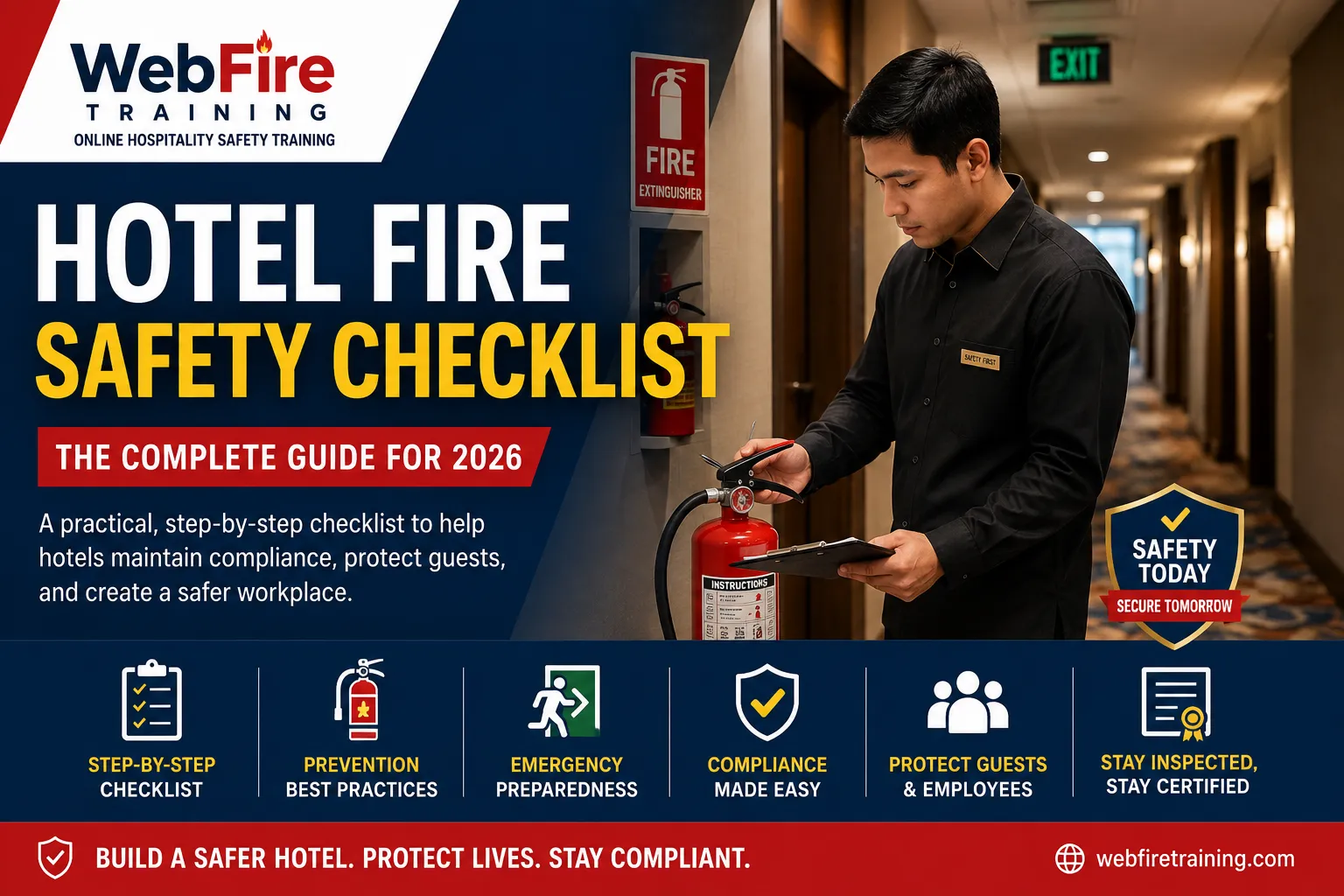
Fire safety is one of the most important responsibilities in the hospitality industry. Every year, hotels around the world experience fires caused by kitchen accidents, electrical faults, heating equipment, smoking materials, laundry facilities, and human error. Even a minor fire incident can result in severe injuries, business interruption, legal liability, expensive repairs, negative publicity, and long-term damage to a hotel's reputation.
Today's guests expect more than comfortable accommodations—they expect a safe environment. Whether you operate a boutique hotel, luxury resort, business hotel, motel, or extended-stay property, implementing a comprehensive fire safety program is essential to protecting lives and ensuring compliance with local fire codes and regulations.
A successful hotel fire safety program goes beyond installing smoke detectors and fire extinguishers. It requires continuous staff training, regular inspections, documented maintenance, emergency planning, evacuation drills, and a culture where every employee understands their role during an emergency.
Why Fire Safety Matters
• Protect guests and employees
• Reduce property damage
• Maintain business continuity
• Comply with regulations
• Improve guest confidence
• Strengthen brand reputation
Common Hotel Fire Hazards
1. Commercial kitchens
2. Electrical systems
3. Laundry rooms
4. Smoking materials
5. Heating equipment
Employee Training
Every employee should understand:
• Fire hazard identification
• Alarm activation
• Fire extinguisher operation
• Guest evacuation
• Emergency communication
• Assembly point locations
Essential Fire Safety Checklist
Fire Detection
✓ Smoke detectors inspected
✓ Fire alarms tested
✓ Battery backups checked
Emergency Lighting
✓ Exit lighting operational
✓ Stairwells illuminated
Exit Routes
✓ Exits unlocked
✓ Exit signs visible
✓ Corridors clear
Fire Extinguishers
✓ Monthly inspections
✓ Annual servicing
✓ Correct extinguisher types
Sprinklers
✓ Heads unobstructed
✓ Water supply tested
Fire Doors
✓ Self-closing
✓ Never blocked open
Housekeeping Responsibilities
Report damaged outlets, blocked exits, overloaded extension cords, smoke detector issues, and unsafe conditions.
Maintenance Responsibilities
Maintain alarms, generators, electrical panels, suppression systems, HVAC equipment, fire pumps, emergency lighting, and communication systems.
Building a Safety Culture
Encourage hazard reporting, conduct inspections, recognize safe behavior, and provide regular refresher training.
Fire Prevention Best Practices
Preventing a fire is always more effective than responding to one. Hotels should establish a preventive maintenance program covering guest rooms, kitchens, mechanical areas, electrical systems, storage rooms, and public spaces. Managers should perform routine safety inspections and correct hazards immediately.
Recommended practices include:
• Keep emergency exits free of obstructions.
• Store flammable materials correctly.
• Maintain electrical equipment.
• Clean grease from kitchen exhaust systems.
• Test alarms and sprinklers regularly.
• Enforce no-smoking policies where applicable.
Department Responsibilities
Front Desk
The front desk team should know how to activate emergency procedures, contact emergency services, communicate with guests, and account for room occupancy during an evacuation.
Housekeeping
Housekeepers inspect guest rooms daily and should report damaged outlets, overloaded extension cords, blocked exits, damaged smoke detectors, or unsafe appliances.
Maintenance
Maintenance staff are responsible for inspecting electrical systems, fire pumps, generators, HVAC equipment, emergency lighting, fire doors, sprinklers, and alarm systems. Every inspection should be documented.
Kitchen Staff
Kitchen employees should understand grease-fire prevention, safe cooking practices, suppression systems, gas shut-off procedures, and the proper use of Class K fire extinguishers.
Security
Security personnel should assist emergency responders, secure evacuation routes, guide guests to assembly points, and monitor access during an incident.
Emergency Evacuation Planning
Every hotel should maintain a written evacuation plan that is reviewed and practiced regularly. The plan should identify primary and secondary evacuation routes, emergency exits, assembly locations, and responsibilities for each department.
Special consideration should be given to:
• Guests with disabilities
• Children
• Elderly guests
• Non-English-speaking visitors
• Contractors and temporary staff
Fire Drills
Fire drills allow employees to practice emergency procedures before a real incident occurs. Drills should evaluate response times, communication, evacuation effectiveness, and employee confidence. After each drill, management should review lessons learned and update procedures where necessary.
Inspection Schedule
Daily
• Check exits
• Inspect corridors
• Verify alarm panel status
Weekly
• Test emergency lighting
• Inspect fire doors
Monthly
• Inspect fire extinguishers
• Review housekeeping hazards
Quarterly
• Review emergency plans
• Inspect suppression systems
Annually
• Full evacuation drill
• Professional inspection of alarms and sprinklers
• Refresher fire safety training for all staff
Continuous Improvement
Fire safety is an ongoing process. Management should encourage hazard reporting, review incidents, analyze inspection findings, and continuously improve procedures to create a culture where safety is everyone's responsibility.
Compliance and Documentation
A well-documented fire safety program demonstrates compliance and helps management prepare for inspections, insurance reviews, and emergency investigations. Keep records of employee training, evacuation drills, fire alarm testing, sprinkler maintenance, extinguisher inspections, electrical inspections, kitchen suppression servicing, and corrective actions.
Store records digitally whenever possible and review them regularly to identify recurring issues. Assign responsibility for updating documentation and ensure records are easily accessible during audits.
Preparing for Fire Safety Audits
Before an inspection:
• Verify all emergency exits are clear.
• Test fire alarms and emergency lighting.
• Confirm extinguisher inspection tags are current.
• Review staff training records.
• Ensure evacuation maps are displayed.
• Inspect fire doors and sprinkler heads.
• Correct outstanding hazards before the audit.
Continuous Improvement
Review incidents, near misses, inspection findings, and employee feedback. Update policies whenever regulations change or new risks are identified. Regular refresher training helps maintain awareness and reinforces safe behaviour across every department.
Frequently Asked Questions
1. How often should hotels inspect fire extinguishers?
Answer: Follow local regulations, maintain inspection records, provide regular staff training, and review emergency procedures routinely.
2. How often should hotels conduct fire drills?
Answer: Follow local regulations, maintain inspection records, provide regular staff training, and review emergency procedures routinely.
3. What are the most common hotel fire hazards?
Answer: Follow local regulations, maintain inspection records, provide regular staff training, and review emergency procedures routinely.
4. Who is responsible for hotel fire safety?
Answer: Follow local regulations, maintain inspection records, provide regular staff training, and review emergency procedures routinely.
5. What records should hotels maintain?
Answer: Follow local regulations, maintain inspection records, provide regular staff training, and review emergency procedures routinely.
6. How should guests be evacuated?
Answer: Follow local regulations, maintain inspection records, provide regular staff training, and review emergency procedures routinely.
7. Should smoke detectors be tested regularly?
Answer: Follow local regulations, maintain inspection records, provide regular staff training, and review emergency procedures routinely.
8. What fire extinguisher is used for kitchen fires?
Answer: Follow local regulations, maintain inspection records, provide regular staff training, and review emergency procedures routinely.
9. Why are emergency exit maps important?
Answer: Follow local regulations, maintain inspection records, provide regular staff training, and review emergency procedures routinely.
10. How can hotels reduce electrical fire risks?
Answer: Follow local regulations, maintain inspection records, provide regular staff training, and review emergency procedures routinely.
Conclusion
Fire safety is an ongoing commitment rather than a one-time task. Hotels that invest in inspections, preventive maintenance, employee education, and emergency planning protect lives while strengthening operational resilience and guest confidence. Review your fire safety program annually and continue improving it through training and documented inspections.